Nostos, ritorno alla parola
Rubrica a cura di Luca Pizzolitto
Presso Klamath
Stiamo intorno al bidone col fuoco
e ci scaldiamo le mani
e la faccia, nel suo puro calore avvolgente.
Portiamo alle labbra tazze fumanti
di caffè, e beviamo
con tutt’e due le mani. Ma siamo
pescatori di salmoni. E ora piantiamo i piedi
nella neve e nei sassi e risaliamo la corrente,
piano, pieni d’amore, verso le pozze tranquille.
Near Klamath
We stand around the burning oil drum
and we warm ourselves, our hands
and faces, in its pure lapping heat.
We raise steaming cups of coffee
to our lips and we drink it
with both hands. But we are salmon
fishermen. And now we stamp our feet
on the snow and rocks and move upstream,
slowly, full of love, toward the still pools.
**
Per tutta la vita
Mi sono sdraiato per farmi un pisolino. Ma appena chiudevo gli
occhi
i cirri passavano lentamente sullo Stretto,
diretti in Canada. E le onde. Rotolavano su per la battigia
e poi rifluivano. Sai bene che non sogno.
Ma ieri notte ho sognato che assistevamo
a un funerale in mare. All’inizio ero attonito.
Poi pieno di rimpianti. Ma tu
m’hai sfiorato un braccio e hai detto: «No, va tutto bene.
Era molto vecchia, e poi lui l’ha amata tutta la vita».
All Her Life
I lay down for a nap. But every time I closed my eyes,
mares’ tails passed slowly over the Strait
toward Canada. And the waves. They rolled up on the beach
and then back again. You know I don’t dream.
But last night I dreamt we were watching
a burial at sea. At first I was astonished.
And then filled with regret. But you
touched my arm and said, “No, it’s all right.
She was very old, and he’d loved her all her life.”
**
Settembre
Settembre, e da qualche parte le ultime
foglie dei sicomori
sono tornate alla terra.
Il vento spazza le nuvole dal cielo.
Cosa rimane qui? Galli cedroni, salmoni argentati
e il pino folgorato a due passi da casa.
Un albero colpito dal fulmine. Eppure già
sta tornando in vita. Alcuni germogli
sono apparsi, come per miracolo.
Alla radio suonano
«Maggie by my side» di Stephen Foster.
L’ascolto con lo sguardo perso lontano.
September
September, and somewhere the last
of the sycamore leaves
have returned to earth.
Wind clears the sky of clouds.
What’s left here? Grouse, silver salmon,
and the struck pine not far from the house.
A tree hit by lightning. But even now
beginning to live again. A few shoots
miraculously appearing.
Stephen Foster’s “Maggie by My Side”
plays on the radio.
I listen with my eyes far away.
**
Abbi cura
Dalla finestra la vedo chinarsi sulle rose
reggendole vicino al fiore per non
pungersi le dita. Con l’altra mano taglia, si ferma e
poi taglia ancora, più sola al mondo
di quanto mi sia mai reso conto. Non alzerà
lo sguardo, non subito. È sola
con le rose e con qualcosa che riesco solo a pensare, ma non
a dire. So bene come si chiamano quei cespugli
regalatici per le nostre nozze tardive: Ama, Onora e Abbi Cura…
è quest’ultima la rosa che lei all’improvviso mi porge, dopo
essere entrata in casa tra uno sguardo e l’altro. Ci affondo
il naso, ne aspiro la dolcezza, lascio che mi s’attacchi addosso –
profumo
di promessa, di tesoro. Le prendo il polso perché mi venga più
vicina,
i suoi occhi verdi come muschio di fiume. E poi la chiamo, contro
quel che avverrà: moglie, finché posso, finché il mio respiro, un
petalo
affannato dietro l’altro, riesce ancora a raggiungerla.
Cherish
From the window I see her bend to the roses
holding close to the bloom so as not to
prick her fingers. With the other hand she clips, pauses and
clips, more alone in the world
than I had known. She won’t
look up, not now. She’s alone
with roses and with something else I can only think, not
say. I know the names of those bushes
given for our late wedding: Love, Honor, Cherish—
this last the rose she holds out to me suddenly, having
entered the house between glances. I press
my nose to it, draw the sweetness in, let it cling—scent
of promise, of treasure. My hand on her wrist to bring her close,
her eyes green as river-moss. Saying it then, against
what comes: wife, while I can, while my breath, each hurried
petal
can still find her.
**
Ultimo frammento
E hai ottenuto quello che
volevi da questa vita, nonostante tutto?
Sì.
E cos’è che volevi?
Potermi dire amato, sentirmi
amato sulla terra.
Late Fragment
And did you get what
you wanted from this life, even so?
I did.
And what did you want?
To call myself beloved, to feel myself
beloved on the earth.
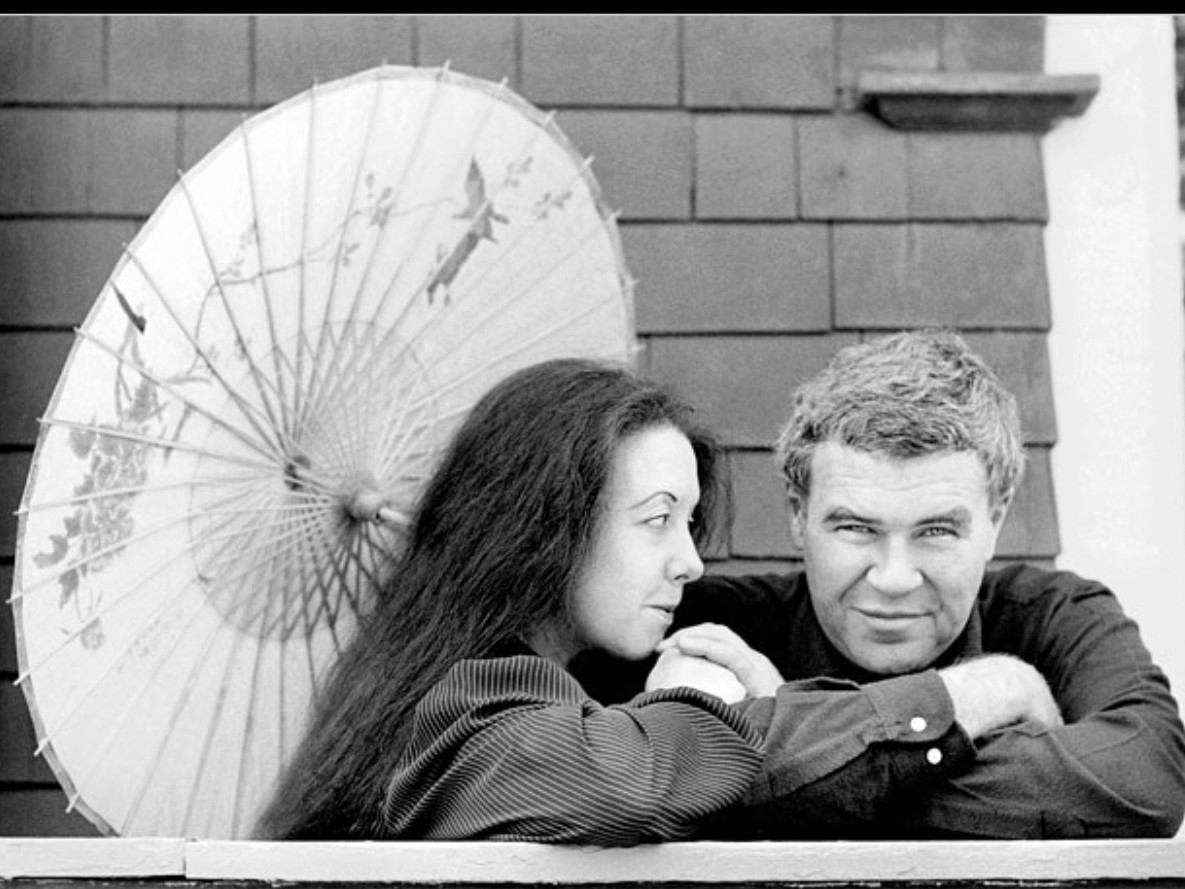
- Raymond Carver, Tutte le poesie (Minimum fax 2021, traduzione di Francesco Durante)
—
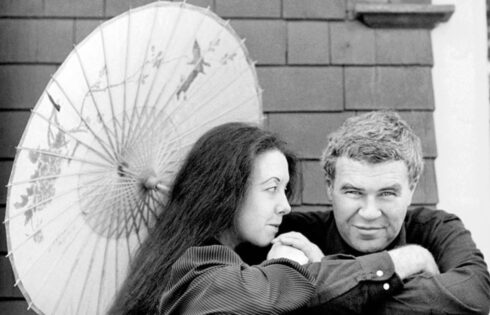
Raymond Carver (Clatskanie, Oregon, 1938 – Port Angeles, Washington, 1988). Approdato alla letteratura dopo una giovinezza difficile (esordì con libri di versi fra cui Winter insomnia, 1970; At night the salomon move, 1976), si affermò nel 1976 con i racconti di Will you please be quiet, please? (trad. it. 1988). Tra le raccolte successive, in cui Carver indagò tra le pieghe della vita di provincia ribaltandone in dramma l’apparente tranquillità, occorre citare What we talk about when we talk about love (1981; trad. it. 1987), da cui R. Altman trasse spunto per la pellicola America oggi (1993); Cathedral (1983; trad. it. 1984); Where I’m calling from (1988; trad. it. 1999).